Point of Purchase Displays: Types, Benefits, and Real Examples
Point of purchase displays help retailers promote products and influence purchasing decisions at the moment of sale.
Point of Purchase Displays: What They Are and Why Stores Continue to Use Them.
Most shoppers don’t plan out every purchase before they step inside a store. They may have a list of items, but as they browse, priorities shift. They go to the register but see items that tempt them to spend even more before payment. A lot of small items that they may have previously seen and forgotten.
Point of purchase displays highlight these items and encourage last-minute purchases. By drawing attention to products at the right moment, they help stores increase sales while reminding customers of items they may have overlooked
What Are Point of Purchase Displays?
Purchase displays are signs or products that are usually by the register and along the checkout aisles. They are even by the cart and basket return stations. They are meant to get small impulse items added to the customers order. Point of Purchase displays are not like the larger signs in the store.
The focus is on that exact moment when a customer decides whether to buy or not. Point of purchase displays aren’t meant to tell a full brand story. Instead, they highlight the product right when the decision matters most.
Why Point of Purchase Displays Still Work
Buyers still hesitate before paying. They still notice movement more than static signs. And they’re still more open to suggestions when the effort to say “yes” is low.
That’s why point of purchase advertising continues to deliver results, especially in physical stores.
A well-placed display can:
- Remind someone of an item they forgot
- Highlight a deal they didn’t know about
- Encourage a small add-on purchase
- Speed up decision-making at checkout
It’s not about pressure. It’s about visibility.
Common Types of Point-of-Purchase Displays
There’s no one “right” way to set up a point-of-purchase display. What works in one store can feel completely wrong in another. A small shop doesn't need the same setup as a big retail space. It really comes down to how customers move around, where they tend to stop, and what kind of products you’re trying to sell.
Digital Point-of-Purchase Displays
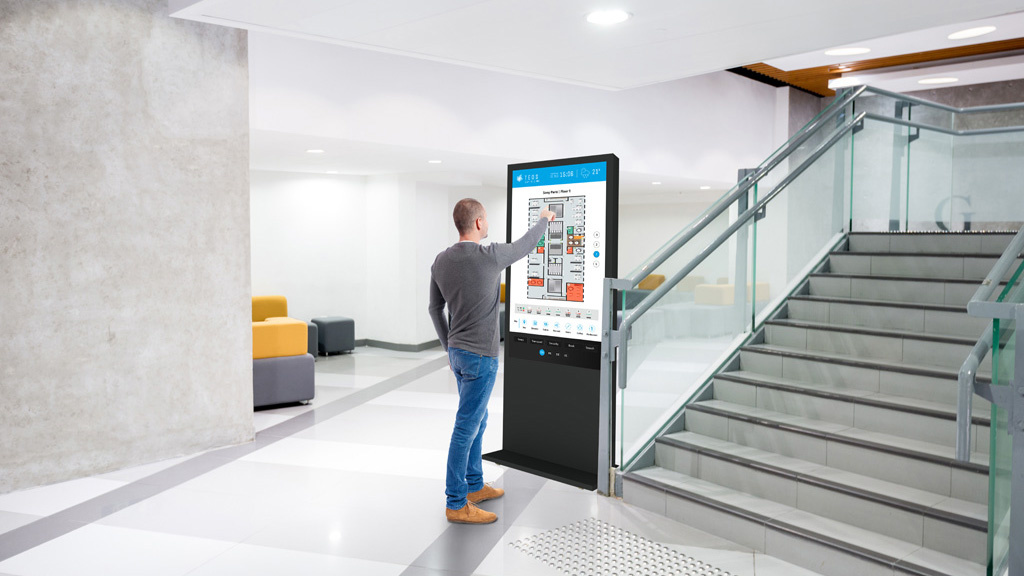
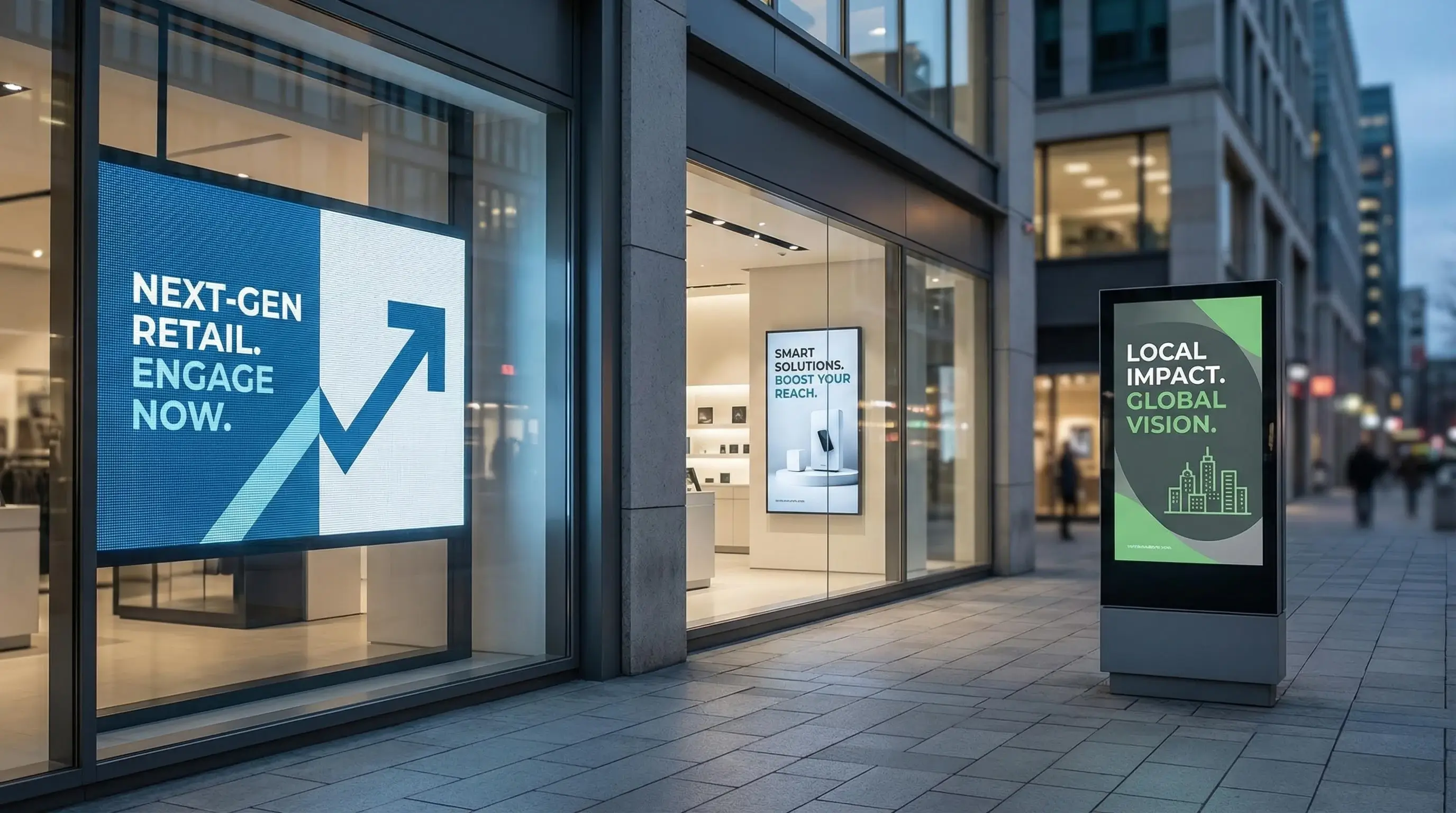
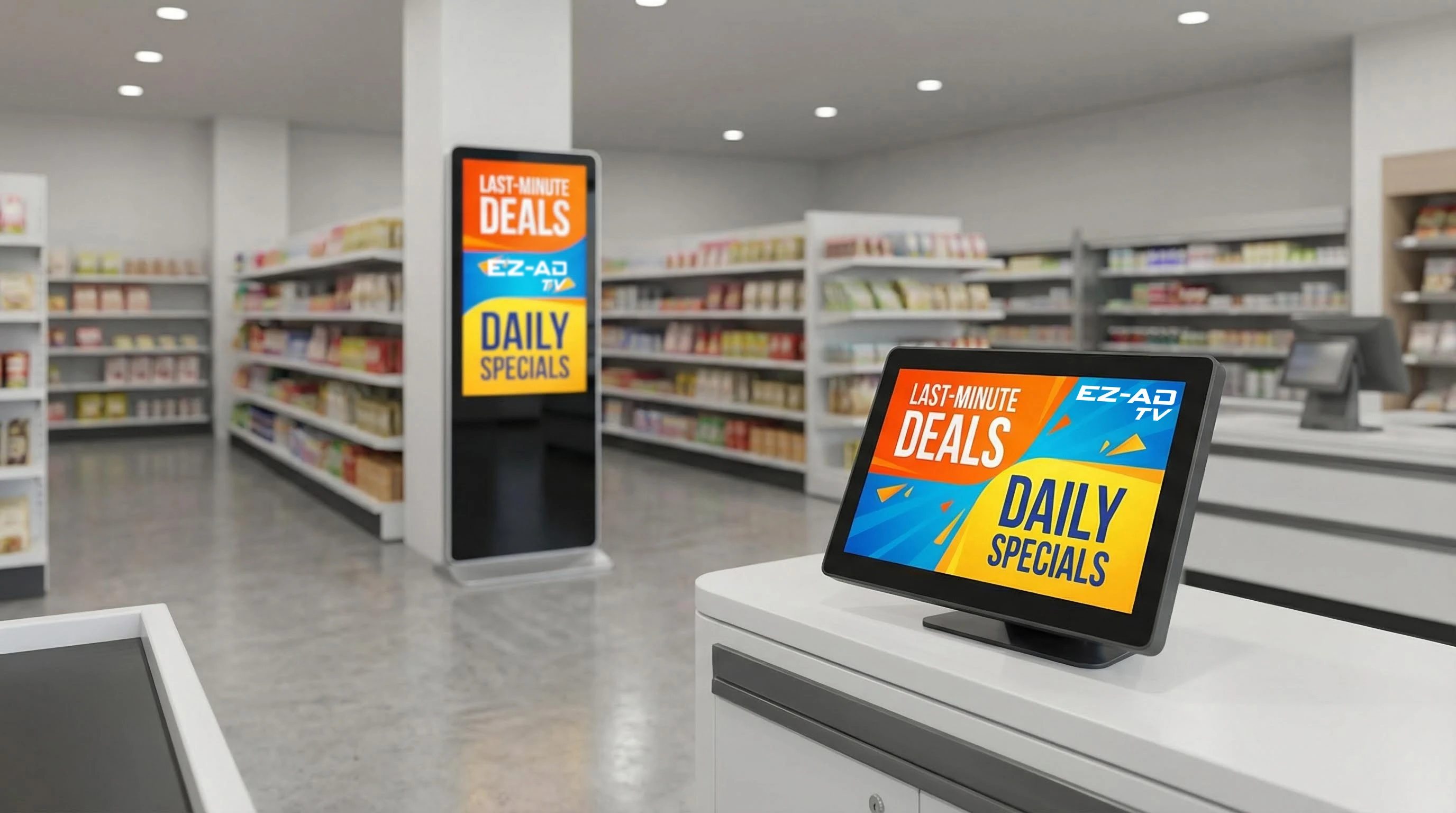
You’ve probably noticed that digital screens are popping up near checkout areas. They don’t take up much space, but they still catch your eye especially when you’re standing there waiting to pay.
One nice thing about these screens is how easy it is to understand the things that appear. A store might run a morning deal, switch it up in the afternoon, and then show something seasonal later on. No printing, no replacing signs. Someone just updates the screen.
Freestanding Displays
Freestanding point of purchase displays aren’t attached to shelves or counters. Instead, they’re placed in open areas where they can draw attention on their own.
In electronics stores, for example, they might show brief demos or side-by-side comparisons. The goal isn’t a quick impulse buy it’s helping the customer feel confident about adding the product.
Custom Point of Purchase Displays
Custom point of purchase displays are designed for a specific brand, campaign, or store layout.
Instead of using generic templates, these displays are built to match:
- Brand visuals
- Store flow
- Product positioning
Benefits for Businesses
Point of purchase displays aren’t just about aesthetics. They solve real problems for retailers.
They Increase Add-On Sales
Even a small suggestion can lead to an extra item in the cart, especially when it’s relevant.
They Reduce Staff Dependence
Displays communicate offers without requiring employees to explain or upsell constantly.
They Make Promotions Visible
If customers don’t see a promotion, it might as well not exist. POP displays make sure it’s noticed.
They Adapt Easily
Digital displays, in particular, can be updated instantly without reprinting or reinstalling anything.
Real Examples of Point-of-Purchase Displays
Grocery Stores
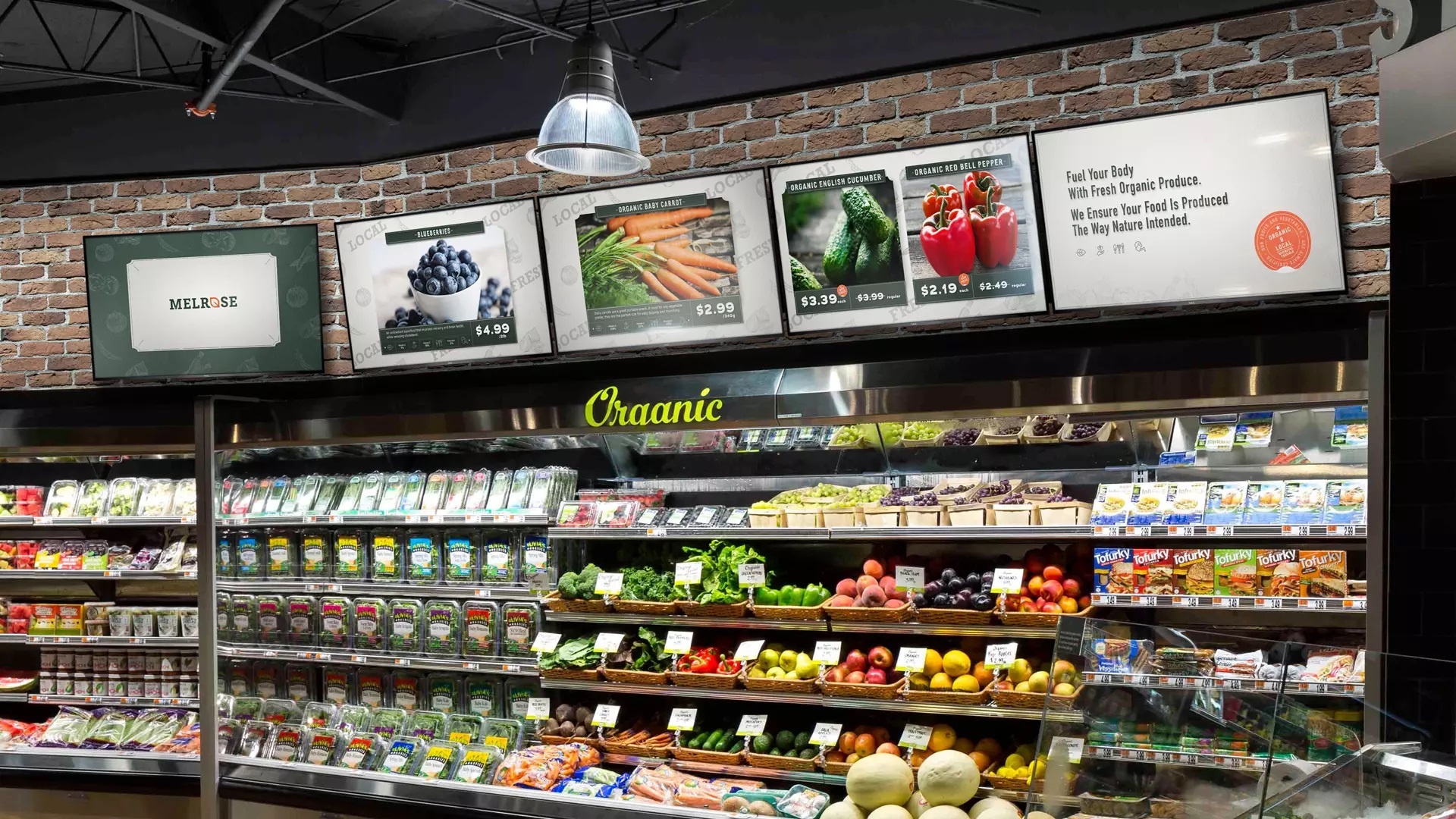
You’ll often see small screens near the checkout showing snacks, drinks, or quick deals. Since people are already standing in line, they notice them—and sometimes grab something they hadn’t planned on.
Pharmacies
In pharmacies, displays near the register usually point out seasonal items or simple offers. Customers pause there anyway, so it’s an easy place to catch their attention.
Electronics Stores
At electronics stores, these displays often show accessories or basic info like what works with what. It helps shoppers to decide if they should add more items before paying.
Cafes and Restaurants
Screens near the counter show upgrades, combo options, or many items while orders are being placed. People see them while they’re waiting, which makes upselling feel natural.
Convenience Stores
In convenience stores, digital displays change throughout the day to show different offers. This keeps things fresh without staff needing to update signs manually.
Why Digital Signage Displays Are Replacing Static Signage
Static signage is limited once it’s printed—you can’t easily update messages, change promotions, or adapt content throughout the day.
Digital point of purchase displays don’t have that limitation.
Businesses using platforms like EZAD TV can:
- Change content remotely
- Schedule promotions by time or day
- Run different messages across locations
- Keep displays fresh without added effort
That flexibility is one of the biggest reasons digital POP displays are becoming standard instead of optional.
Final Thoughts
Point of purchase displays aren’t about convincing someone to buy something they don’t want.
They’re about showing the right message when a person is already close to deciding.
Whether it’s a simple countertop sign or a digital screen running multiple promotions, these displays work because they respect timing more than attention.